I embed seamlessly across engineering, product, and compliance to keep all stakeholders informed and efficient. My role bridges communication gaps, aligns priorities, and ensures quality is everyone’s responsibility – not just QA’s.
How I establish and maintain cross-functional collaboration
1. Stakeholder Mapping
Identify all key players across departments, their priorities, pain points, and communication preferences.
2. Language Bridging
Create shared terminology and documentation standards that all teams can understand and use effectively.
3. Ceremony Integration
Embed quality checkpoints into existing agile ceremonies (standups, planning, retros) without adding meetings.
4. Visual Management
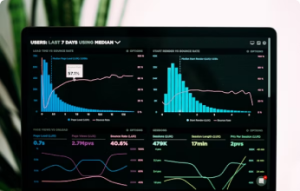
Implement dashboards and artifacts that make quality status visible to all stakeholders at a glance.
5. Continuous Feedback
Establish lightweight processes for ongoing input and adjustment from all teams.
About Brian Ekasala
With experience across engineering, product, and compliance roles, I speak all your teams’ languages fluently. I don’t just translate between departments – I help them understand each other.
My cross-functional background allows me to anticipate alignment challenges before they create delays or rework, keeping your delivery pipeline flowing smoothly.
What stakeholders say about working with my alignment approach
SaaS Platform
Engineering Manager
Brian transformed how our engineering and product teams communicate. Where we used to have constant back-and-forth about requirements, we now have clear, testable acceptance criteria that both sides understand. Our velocity increased by 30% with fewer defects.
Fintech Startup
Product Owner
As a product owner, I used to spend hours explaining business needs to QA. Now Brian ensures everyone starts from the same understanding. Our feature approval process is twice as fast with half the surprises.
Healthcare Technology
Compliance Officer
In our regulated industry, compliance is non-negotiable. Brian built bridges between our legal team and engineers that ensured we met all requirements without slowing development. Our audit prep time decreased by 60%.
The Alignment Model
Visualizing how I connect stakeholders across your organization
Engineering
Technical Implementation
Product
Buisness Requirements
Compliance
Regulatory standards
QA
Quality Standards
News & Articles
Alignment Success Stories
Real-world examples of cross-team collaboration improvements
Common questions about cross-team collaboration services
How do you handle conflicting priorities between teams?
I facilitate structured trade-off discussions that focus on business outcomes rather than departmental preferences. By establishing shared success metrics and visualizing impacts, teams typically find alignment without executive intervention.
What if our teams use completely different terminology?
I create “translation layers” – simple reference guides that map concepts between domains. More importantly, I coach teams to adopt a shared vocabulary focused on user outcomes rather than internal jargon.
How do you measure alignment success?
Key indicators include reduction in rework, faster decision cycles, fewer “surprise” requirements late in development, and improved stakeholder satisfaction scores across departments.
Can this work with remote/hybrid teams?
Absolutely. I implement digital-first alignment practices using async documentation, virtual whiteboards, and structured collaboration tools that work across timezones while minimizing meeting fatigue.
How long until we see improvements?
Most teams see noticeable improvements within 2-3 sprints as new communication patterns take hold. Full transformation typically occurs over 3-6 months as practices become ingrained in team culture.
Ready to Align Your Teams?
Let’s discuss how cross-functional collaboration can eliminate bottlenecks and accelerate your delivery pipeline.