Root Canal

Root Canal

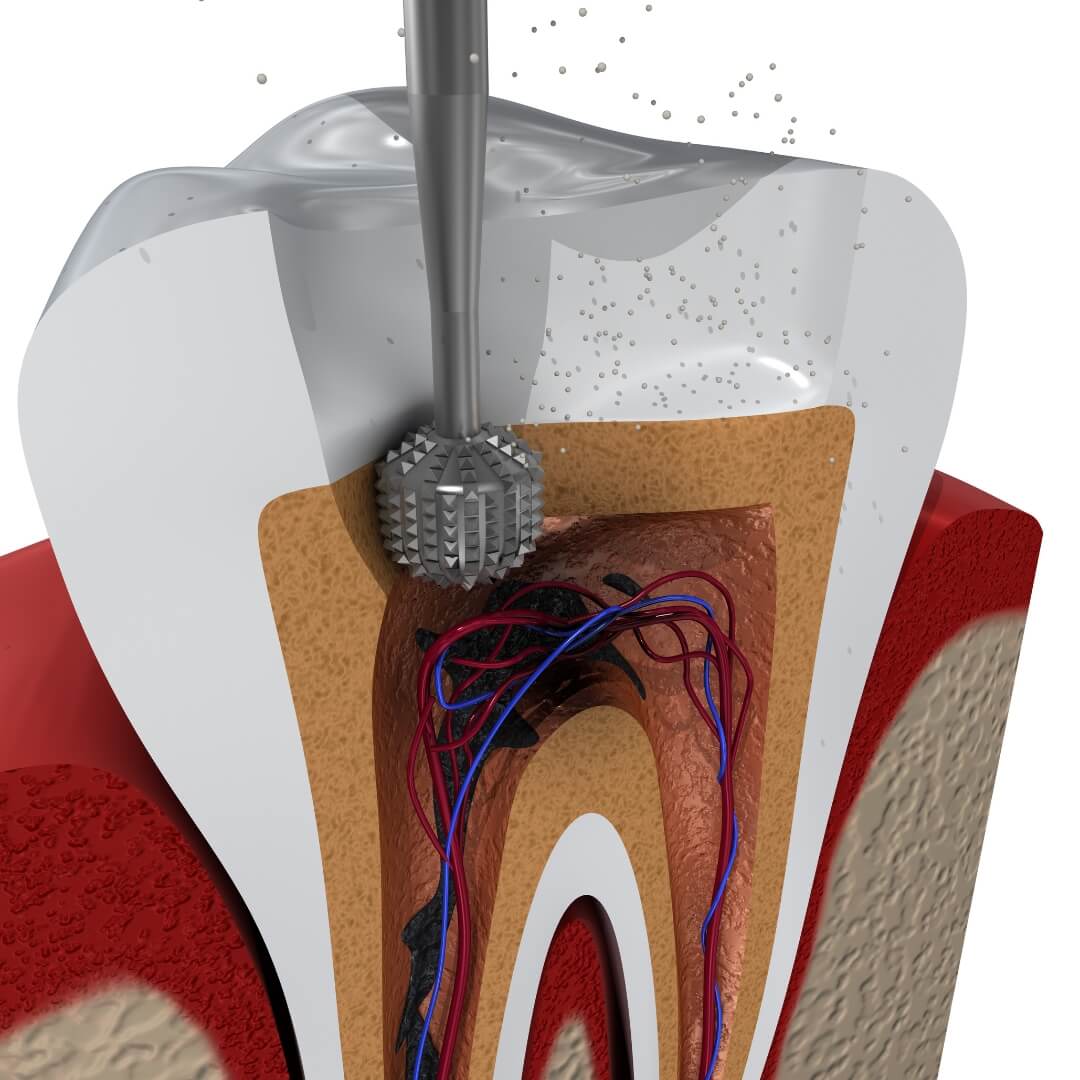
Before diving into the details of root canal treatment, it’s helpful to understand the structure of a tooth. The term endodontic comes from the Greek words “endo” (inside) and “odont” (tooth), referring to procedures involving the inner tissue of the tooth—specifically the pulp and nerves.
A root canal becomes necessary when bacteria from untreated cavities penetrate deeply into the tooth, reaching the pulp. This can cause inflammation, infection, and intense pain. Early treatment of cavities is crucial, as once the infection reaches the pulp, it cannot be reversed—a root canal is the only way to preserve the natural tooth.

What Happens During a Root Canal?

Root canal therapy typically includes the following steps:
  1. Removal of infected pulp and nerves from inside the tooth 
  1. Thorough cleaning and sealing of the root canal space to prevent reinfection 
Thanks to modern techniques and technology, root canals are more comfortable and efficient than ever—often completed in one or two visits. Once the infection is treated, additional restorative care such as a crown may be recommended to strengthen and protect the tooth from further damage.

Frequently Asked Questions (FAQ)

How do I know if I need a root canal?

Signs include severe tooth pain, prolonged sensitivity to hot or cold, swelling in the gums, or a darkened tooth. A dental exam and X-rays can confirm the need for treatment. 

Is a root canal painful?

With today’s advanced techniques and anesthetics, root canals are typically no more uncomfortable than getting a filling. 

How long does a root canal take?

Most procedures can be completed in one or two visits, depending on the severity of the infection and the tooth’s condition. 

What happens after the root canal?

After the infection is removed, the tooth may need a filling or crown to restore its strength and function. Your dentist will determine the best solution during your follow-up visit. 

Can a root canal save my tooth?

Yes! A root canal can preserve your natural tooth and eliminate the need for extraction, helping you maintain proper chewing and a natural appearance.
New Jersey

2170 Morris AVE Union NJ 07083