
Dental Bridge
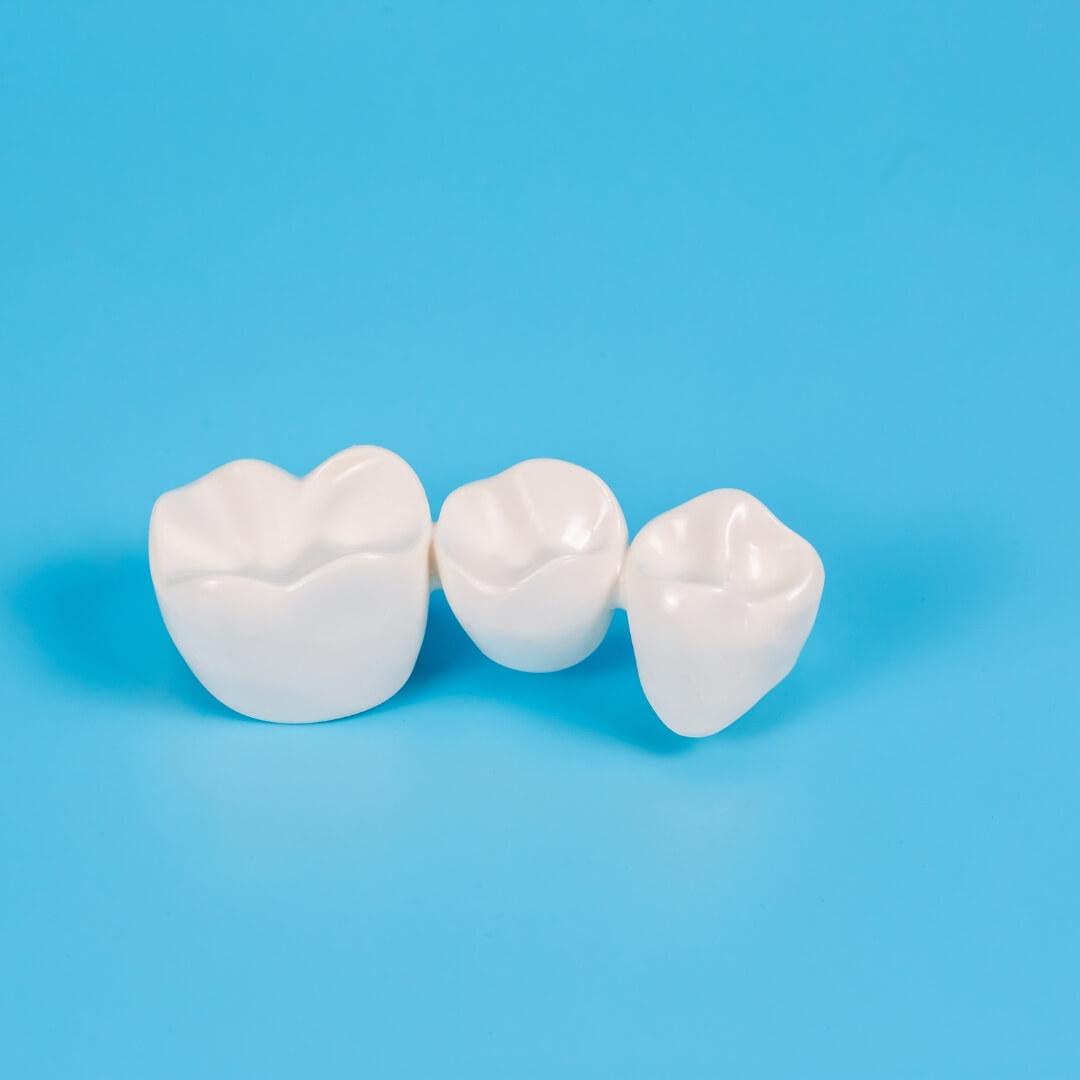
Bridging the Gap for a Healthier, More Complete Smile
A dental bridge is a reliable solution for replacing one or more missing teeth. In addition to restoring your smile, bridges help you chew and speak more comfortably, maintain facial structure, and prevent nearby teeth from shifting out of place.
A bridge typically consists of two crowns placed on the teeth adjacent to the gap, with one or more artificial teeth (pontics) in between. These crowns anchor the bridge securely, creating a natural-looking and functional replacement for missing teeth.
Benefits of a Dental Bridge:
- Restores your ability to chew and speak properly
- Prevents shifting of surrounding teeth
- Supports facial contours and structure
- Offers a fixed, long-term tooth replacement option
- Typically completed in just a few visits
When cared for properly, dental bridges can last many years—often a decade or more—making them a strong, durable solution for tooth replacement.
Frequently Asked Questions (FAQ)
How long do dental bridges last?
With good oral hygiene and regular dental checkups, a bridge can last 10–15 years or longer.
Is getting a dental bridge painful?
The procedure involves shaping the supporting teeth and is done under local anesthesia to ensure comfort. Mild soreness afterward is common but temporary.
How do I care for a dental bridge?
Brush twice daily, floss under the bridge using special floss or a water flosser, and maintain regular professional cleanings.
Can anyone get a bridge?
Most people with healthy teeth on either side of the gap are good candidates. A thorough exam will determine if a bridge is the right option for you.
What are the alternatives to a dental bridge?
Other options include dental implants or removable partial dentures. Each has unique benefits depending on your oral health and lifestyle.